Why Residents Trust Dental Implants in Calabasas CA
A missing tooth changes more than a smile. It changes how a person chews, how they speak, and often how comfortable they feel in a room full of people. In a place like Calabasas, where people value health, presentation, and long-term quality of life, the decision to replace a tooth tends to be thoughtful rather than rushed. That helps explain why so many residents place confidence in dental implants. They are not simply choosing a cosmetic fix. They are choosing a restoration designed to function like a real tooth and support the health of the jaw over time.
Trust does not come from marketing language. It comes from results people can feel every day. It comes from hearing a neighbor say they can finally eat comfortably again. It comes from seeing a parent in their sixties or seventies regain confidence after years of dealing with a loose bridge or an ill-fitting denture. And it comes from working with clinicians who explain the process clearly, set realistic expectations, and treat implant dentistry as both a surgical and restorative discipline.
When people search for Dental Implants Calabasas CA, they are often looking for more than a procedure. They are looking for predictability, comfort, and a provider who understands the difference between a quick fix and a durable solution.
The appeal of a solution that feels permanent
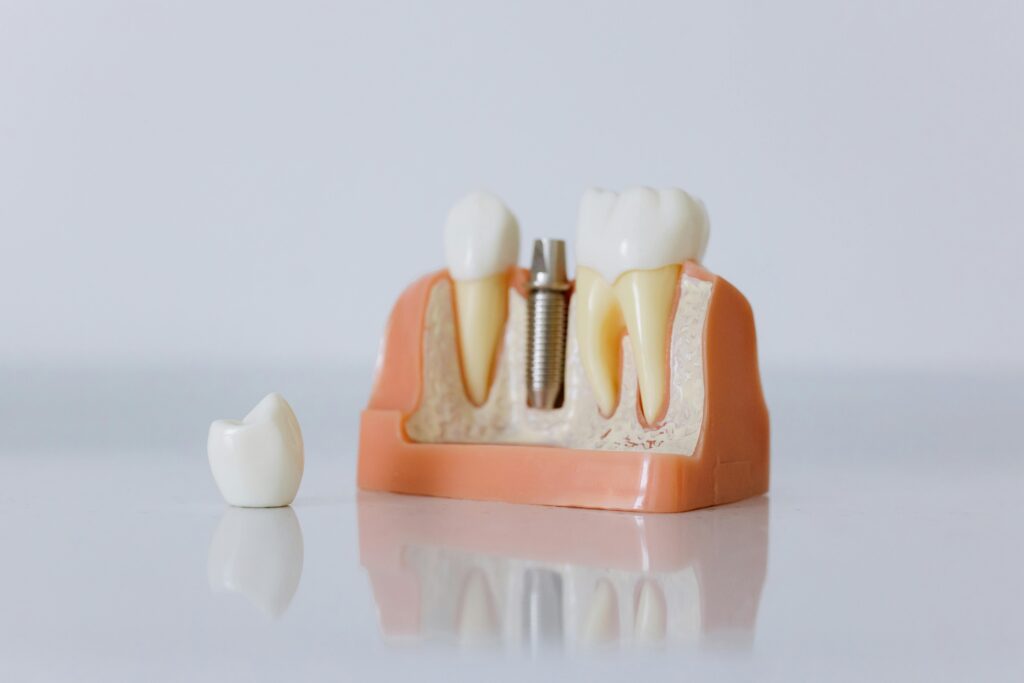
Traditional options still have value. Bridges and dentures can be appropriate in the right case, and many patients do well with them. But dental implants offer something those alternatives do not fully replicate. They replace the root as well as the visible portion of the tooth. That one difference changes a great deal.
A bridge usually depends on neighboring teeth for support. A removable denture rests on the gums and, over time, can shift as the jawbone changes shape. An implant is placed in the jawbone itself, where it can integrate with the bone and become the anchor for a crown, bridge, or denture. For patients, that often translates to better stability, stronger chewing power, and less awareness that there is an artificial tooth in the mouth.
People tend to trust what feels natural. That is one reason implants earn confidence so quickly after treatment is complete. Patients often describe a simple but meaningful shift. They stop planning meals around what they can chew. They stop worrying that a prosthetic will move while they speak. They stop touching the space with their tongue because there is no longer a gap to notice.
That level of normalcy matters. It is difficult to overstate how much peace of mind comes from not having to think about a tooth replacement every hour of the day.
Calabasas patients often think long term
One pattern stands out in communities like Calabasas. Patients frequently ask not only, “Will this work now?” but also, “How will this hold up years from now?” That is exactly the right question.
Dental implants are trusted in part because they fit a long-view approach to health care. A well-planned implant restoration can serve a patient for many years, sometimes much longer than people initially expect, provided home care is good and professional follow-up is consistent. The crown on top may eventually need maintenance or replacement depending on wear, bite forces, and materials, but the underlying implant can remain a stable foundation.
This long-term thinking also aligns with another important point: implants help preserve bone. When a natural tooth is lost, the jaw in that area no longer receives the same stimulation from chewing forces through the root. Over time, the bone can begin to shrink. That change does not always happen dramatically overnight, but it is real, and it can affect facial structure, bite balance, and future restorative options. Because implants function within the bone, they help maintain that stimulation in a way removable options cannot match.
Residents who value preventive care tend to appreciate that implants are not merely replacing what is visible. They are addressing what happens under the surface as well.
Trust grows when the process is explained honestly
Implant dentistry works best when the patient understands what is involved. One reason reputable practices in Calabasas earn loyalty is that they do not oversimplify the process. They explain the sequence, the healing periods, and the variables that can affect timing.
Some cases are straightforward. A healthy patient with adequate bone and good gum health may move through the process with relative ease. Other cases require a slower and more customized plan. A failed tooth may need to be extracted first. Bone grafting may be recommended if the site has shrunk. Gum condition may need to be stabilized before implant placement. Patients with heavy clenching habits may need protective planning for the final restoration.
When clinicians discuss these details early, trust deepens. Patients usually do not expect perfection or speed at all costs. They expect transparency. In practice, that means being upfront about surgical healing, temporary restorations, final crown design, and the possibility that treatment can take several months from start to finish depending on the case.
A patient who hears a realistic timeline is often calmer than one who is promised an unrealistically quick result.
Why modern planning makes patients feel more secure
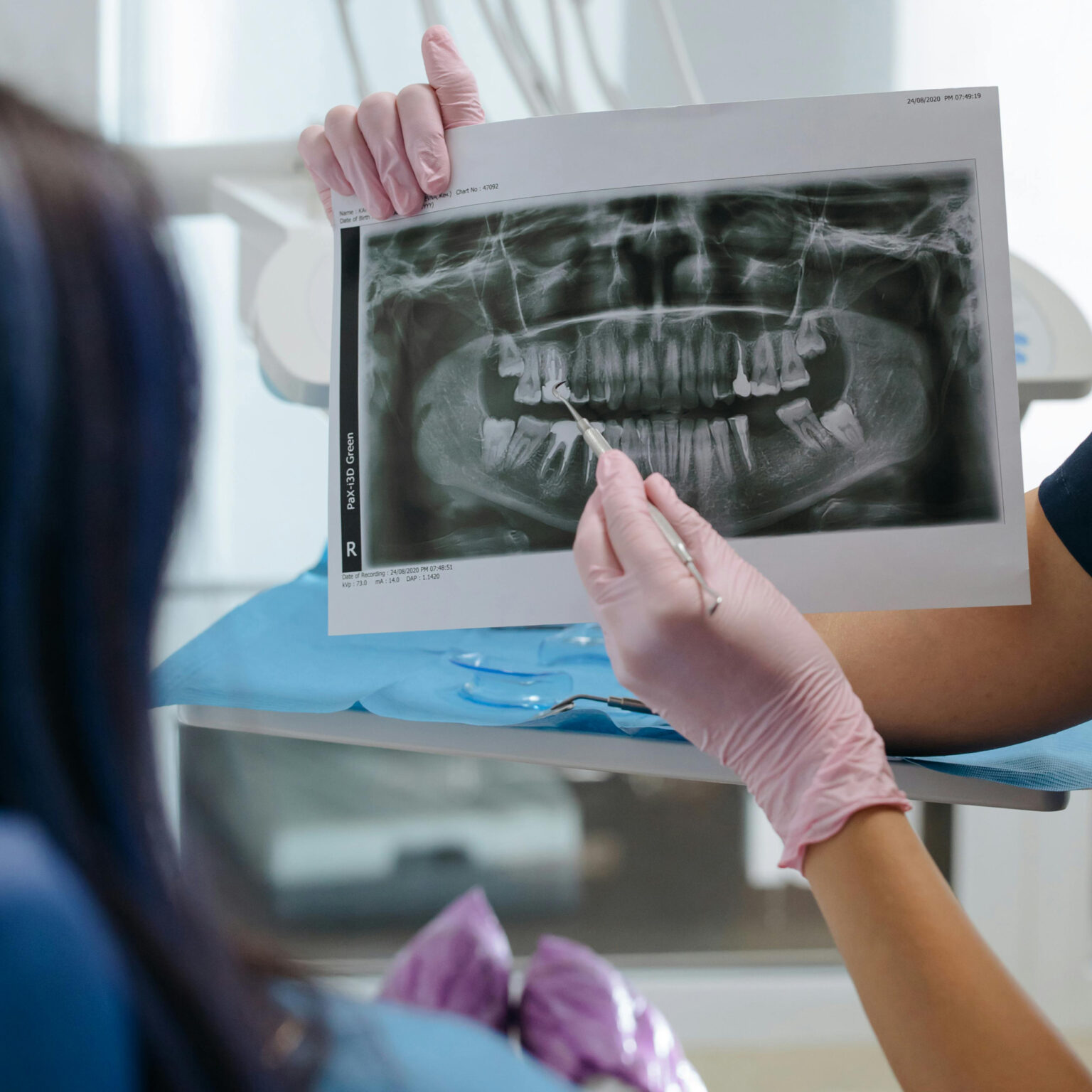
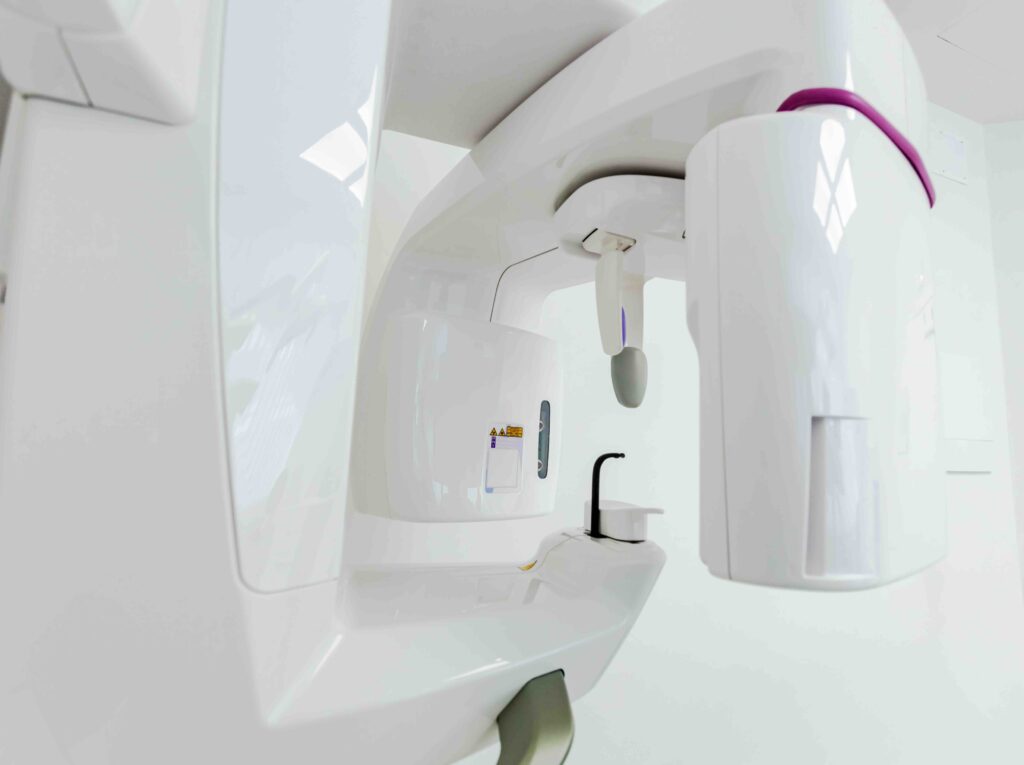
Another reason implants inspire confidence is the quality of diagnostics now available in many advanced dental offices. Three-dimensional imaging has improved planning significantly. A clinician can evaluate bone width, height, density, sinus location, and the position of nearby anatomical structures before treatment begins. That makes planning more precise and reduces guesswork.
This is especially important in areas where esthetics matter, such as the front teeth. The angle of the implant, the thickness of the gum tissue, oaksdentistry.com Dental Implants Calabasas CA and the shape of the future crown all affect the final appearance. A natural-looking result is not simply a matter of inserting an implant into bone. It requires coordination between surgery, restorative design, and often the dental laboratory.
Patients may not know all the technical terms, but they understand when a practice is methodical. They notice when records are thorough, when digital scans are reviewed carefully, and when treatment planning feels individualized rather than generic.
Trust is built in those moments, before the procedure even begins.
The reasons patients cite most often
When people talk about why they chose implants and why they feel good about that choice, the same themes come up repeatedly:
- They want a tooth replacement that stays secure while eating and speaking.
- They like that neighboring teeth usually do not need to be reduced for support.
- They value the potential to preserve jawbone better than removable options.
- They want a result that looks natural, especially in visible areas.
- They prefer a long-term investment over repeated short-term compromises.
These are practical reasons, not abstract ones. They reflect daily life. A person eating lunch with coworkers cares about comfort. A grandparent taking family photos cares about confidence. A professional who speaks often in meetings cares about speech clarity and stability. Dental implants address all of those concerns in a direct way.
Implants are not only about appearance
Cosmetic improvement is real, and it matters, but function is often the deeper reason patients are relieved after implant treatment. Chewing efficiency affects nutrition. Missing back teeth, for example, can push people toward softer foods and away from tougher proteins, fibrous vegetables, or foods that require balanced bite force. Over time, that shift can become habitual.
There is also the issue of tooth movement. When a tooth is missing, neighboring teeth can drift, and the opposing tooth may over-erupt into the open space. That can create bite changes that complicate future treatment. Replacing the missing tooth with an implant often helps maintain harmony in the dental arch.
Speech can improve too, especially in cases where a removable appliance has affected Dental Implants Calabasas CA tongue position or confidence. Many patients do not realize how much they have been compensating until they no longer have to.
In clinical practice, some of the most grateful implant patients are not the ones chasing a dramatic smile makeover. They are the ones who simply wanted to stop negotiating with their mouth every day.
Candidacy matters, and good dentists do not force it
One of the strongest signs of a trustworthy implant practice is restraint. Not every patient is an immediate implant candidate, and not every missing tooth must be replaced with an implant. An experienced clinician knows when to proceed, when to stage treatment, and when another option may be more suitable.
A careful evaluation usually considers several factors:
- Overall oral health, especially the presence of gum disease or untreated decay
- Bone quantity and quality at the implant site
- Medical conditions or medications that may affect healing
- Habits such as smoking, grinding, or clenching
- The patient’s goals, budget, and willingness to maintain the result
That last point deserves attention. Implants are highly successful, but they are not maintenance-free. The surrounding gum tissue still needs care. Plaque can still accumulate. Bite forces still need monitoring. Patients who understand this tend to do better because they treat the implant like part of their body, not like a piece of hardware that can be ignored.
Experience shows in the details
From the outside, two implant cases can look similar. On paper, each may involve one missing molar and one implant-supported crown. Yet the quality of the outcome can differ based on details the average patient never sees.
The depth and angle of the implant matter. The condition of the soft tissue matters. The bite relationship matters. The type of temporary restoration, if one is used, matters. The way the final crown emerges through the gum matters. Even the contour of the crown affects cleansability and long-term comfort.
Patients in Calabasas often seek out providers who can manage these finer points, whether that means a general dentist with substantial implant training, a periodontist, an oral surgeon, a prosthodontist, or a collaborative team approach. What inspires trust is not a title alone. It is the visible combination of planning, technical skill, communication, and follow-through.
In many successful cases, patients mention small moments that reassured them. A dentist who noticed signs of nighttime grinding before placing the final crown. A surgeon who recommended grafting rather than forcing an implant into a borderline site. A restorative dentist who adjusted the shape of a front tooth multiple times until it matched naturally. Those moments tell patients they are being treated as individuals.
Recovery expectations that feel manageable
Fear around surgery is common, even among patients who are otherwise eager to replace a missing tooth. Many are surprised to learn that implant placement is often easier than they imagined. That does not mean it is trivial, and no responsible clinician should present surgery casually. But with local anesthesia, careful technique, and the right post-operative instructions, discomfort is frequently less intense than patients expect.
Most people describe a few days of soreness, some swelling, and a gradual return to normal function. The exact experience depends on whether the procedure involved a simple placement, an extraction with immediate implant placement, or additional grafting. A single straightforward implant is very different from a full-arch reconstruction. Trust grows when those distinctions are made clear.
One practical advantage is that recovery usually feels purposeful. Patients know they are moving toward a fixed solution. That mindset often makes the temporary inconvenience easier to tolerate.
A common source of anxiety is the waiting period while the implant integrates with bone. Some patients worry that “nothing is happening.” In reality, that healing phase is central to the success of treatment. Experienced clinicians explain this well. They frame patience not as delay, but as part of the engineering of a stable result.
The financial side of trust
Cost matters. It would be unrealistic to discuss implants without addressing it. Dental implants typically require a higher upfront investment than many alternatives. That is one reason patients research carefully before choosing treatment.
Yet residents often trust implants precisely because they see the broader value equation. A lower-cost option can become expensive if it needs frequent adjustment, replacement, relining, or if it contributes to wear on other teeth. That does not mean implants are always the cheapest route over a lifetime. Dentistry rarely works in absolutes. It does mean the conversation is bigger than the initial fee.
Patients tend to respond well when practices are direct about what is included, what might vary, and what additional steps could become necessary. A transparent treatment estimate builds trust far faster than a vague low number that grows later. Good offices also explain that complexity affects cost. A single implant in ideal conditions is one scenario. A site requiring extraction, grafting, a custom abutment, and a highly esthetic anterior crown is another.
In my experience, patients are less frustrated by high numbers than by unclear ones.
Why local reputation carries so much weight
Calabasas is a community where word-of-mouth still matters. People share names of dentists at school events, fitness studios, local businesses, and neighborhood gatherings. That means trust accumulates case by case. A provider who consistently produces comfortable, natural-looking implant outcomes develops a reputation that spreads quietly but steadily.
Online reviews play a role, of course, but personal referrals often carry more weight. When someone says, “I had it done, I healed well, and I’d do it again,” that reassurance is powerful. It answers the practical questions that websites cannot fully address. Did the office communicate well? Were the temporaries handled thoughtfully? Did the final tooth actually feel right? Was there support after the procedure?
Those lived details influence trust more than any glossy claim.
Aesthetics matter differently depending on the tooth
Front-tooth implants and back-tooth implants are not judged by the same standards, even though both must function well. In the back of the mouth, strength, bite harmony, and cleansability often take priority. In the front, appearance becomes inseparable from success.
This is where residents are often especially discerning. A central incisor implant cannot merely fill a space. It must blend with neighboring teeth in color, shape, translucency, gum contour, and position. Even a technically integrated implant can disappoint if the esthetic planning was weak.
That is another reason implants in Calabasas CA have earned trust when handled by experienced teams. The best results come from clinicians who respect biology and appearance equally. They know that a beautiful front-tooth result may require grafting, provisional shaping, careful timing, and collaboration with a strong dental lab. Patients appreciate this level of care because the final result looks unforced. It looks like their own smile, restored.
The role of maintenance after placement
A patient does not “finish” with an implant the day the crown goes in. Trust stays strong when the office continues to monitor the result. Follow-up visits matter because they help catch small issues before they become larger ones. Bite changes, gum inflammation, and hygiene challenges are all easier to manage early.
Home care is usually straightforward, but it must be consistent. Brushing thoroughly, cleaning around the implant restoration, and keeping regular professional exams all matter. Patients who clench or grind may need a night guard to protect both natural teeth and implant-supported crowns from excessive forces.
This ongoing relationship reinforces confidence. The message is simple: the implant is built to last, and the team intends to help it do exactly that.
Why the trust tends to hold up over time
When people reflect on why they are happy they chose implants, they rarely talk first about technology. They talk about ordinary moments. Eating steak without hesitation. Smiling in photos without closing their lips. Forgetting which tooth was ever missing. Not removing an appliance at night. Not worrying about adhesives. Not feeling older than they are because their teeth no longer feel unstable.
That is why Dental Implants Calabasas CA remains a search phrase people keep coming back to. They are not searching only for a product. They are searching for a reliable answer to a very human problem.
Dental implants have earned the trust of residents because they solve that problem in a way that is structurally sound, cosmetically refined, and rooted in long-term oral health. The best providers respect the complexity, communicate clearly, and tailor the treatment to the person rather than forcing the person into a standard script. When that happens, trust is not hard to understand. It is the natural result of good planning, honest care, and outcomes that improve daily life in ways patients can feel for years.
Oaks Dental
5000 Parkway Calabasas, Suite 308
Calabasas, CA 91302, United States
Phone: +1 (818) 412-8349
FAQ About Dental Implants Calabasas CA
How much does a dental implant cost in California?
Costs vary with the number of teeth replaced, restoration type, imaging, and any extractions or bone grafting. Request an itemized estimate after an examination; a single advertised price may not include every treatment stage.
Can people with autoimmune disease get dental implants?
Some people may qualify, but the condition, medications, oral health, and healing risks require individual assessment. Share your medical history with your dentist, who may coordinate with your treating physician.
Can you have dental implants if you have osteopenia?
Osteopenia does not by itself establish whether implants are suitable. Your dentist must evaluate jawbone support and review bone-related medications and other risks before recommending treatment.