Dental Implants Calabasas CA: How the Procedure Works
Losing a tooth changes more than a smile. It changes how food feels, how clearly some people speak, and how much confidence they carry into a meeting, a dinner, or a family photo. I have seen patients describe the experience in practical terms first, such as chewing on one side or avoiding apples, and only later admit the emotional weight. That is one reason dental implants have become such an important option for long-term tooth replacement.
If you are researching Dental Implants Calabasas CA, the first thing to know is that the procedure is not a single appointment. It is a carefully staged process that replaces both the visible tooth and the root beneath it. Done well, it can look natural, feel stable, and protect the surrounding bone better than leaving an empty space untreated.
The details matter. Not every implant case is straightforward. Bone quality, gum health, bite forces, smoking, clenching, and medical history all influence the plan. Patients often hear simplified explanations online, but the real process involves diagnosis, timing, healing, and precision at each step. Understanding how it works makes the experience less intimidating and helps you ask better questions before treatment begins.
What a dental implant actually is
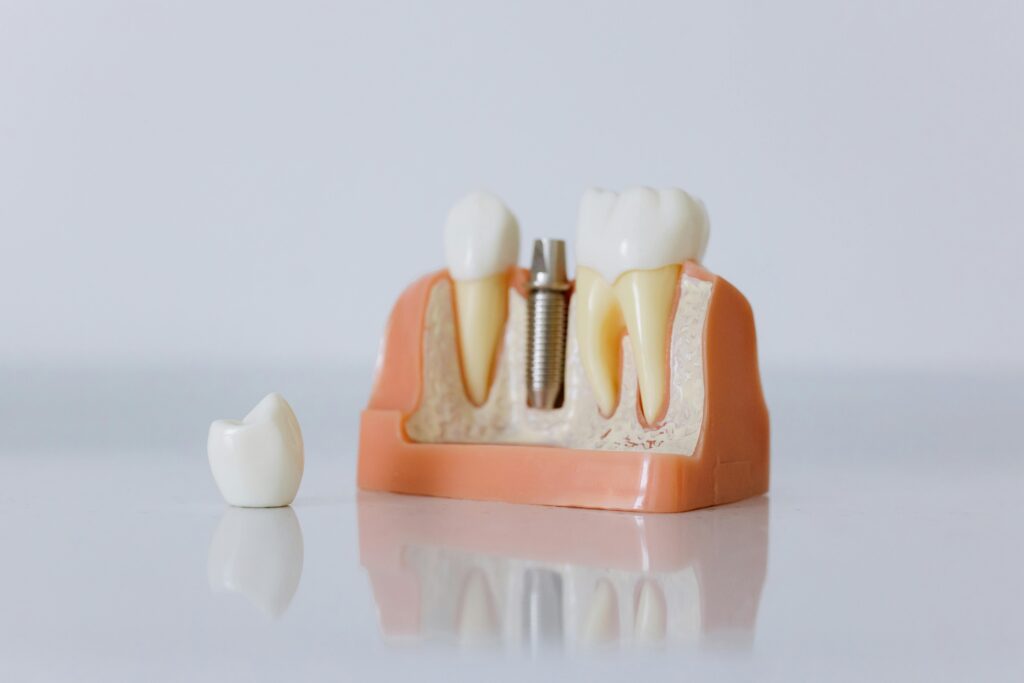
A dental implant is a small post, usually made of titanium, that is placed into the jawbone where a tooth root used to be. Over time, the bone bonds to the implant surface in a process called osseointegration. Once that bond is stable, the implant supports a connector piece called an abutment and, above that, a custom crown that looks like a tooth.
That distinction matters because an implant is not simply a false tooth placed on top of the gums. It is a structural replacement that integrates with the jaw. That is why it often feels more secure than a removable partial denture and why many patients say it is the closest thing to getting their own tooth back.
A single implant can replace one missing tooth. Several implants can support a bridge when multiple teeth are missing. In full-arch cases, a limited number of implants can support an entire upper or lower prosthesis. The mechanics change depending on the case, but the principle remains the same: replace the root, preserve support, and restore function.
Why timing after tooth loss matters
The jawbone responds to use. When a tooth is removed and nothing replaces the root, the bone in that area tends to shrink over time. Sometimes that shrinkage is subtle at first. Sometimes it is dramatic, especially in the front of the mouth where appearance matters most. The gum tissue can also change shape, making later restoration more complex.
I have seen patients come in a few months after an extraction with enough bone for a relatively simple implant placement, and I have seen others wait years only to learn they now need grafting before an implant is even possible. Neither path is a moral issue. Life gets busy, insurance changes, and dental work can be expensive. Still, from a biological standpoint, earlier evaluation usually gives you more options.
That does not mean every tooth should be replaced immediately with an implant. Infections, fractures, bite issues, and medical factors sometimes make delayed placement the smarter choice. The key is proper evaluation rather than assuming one timeline fits everyone.
The consultation: where the real planning starts
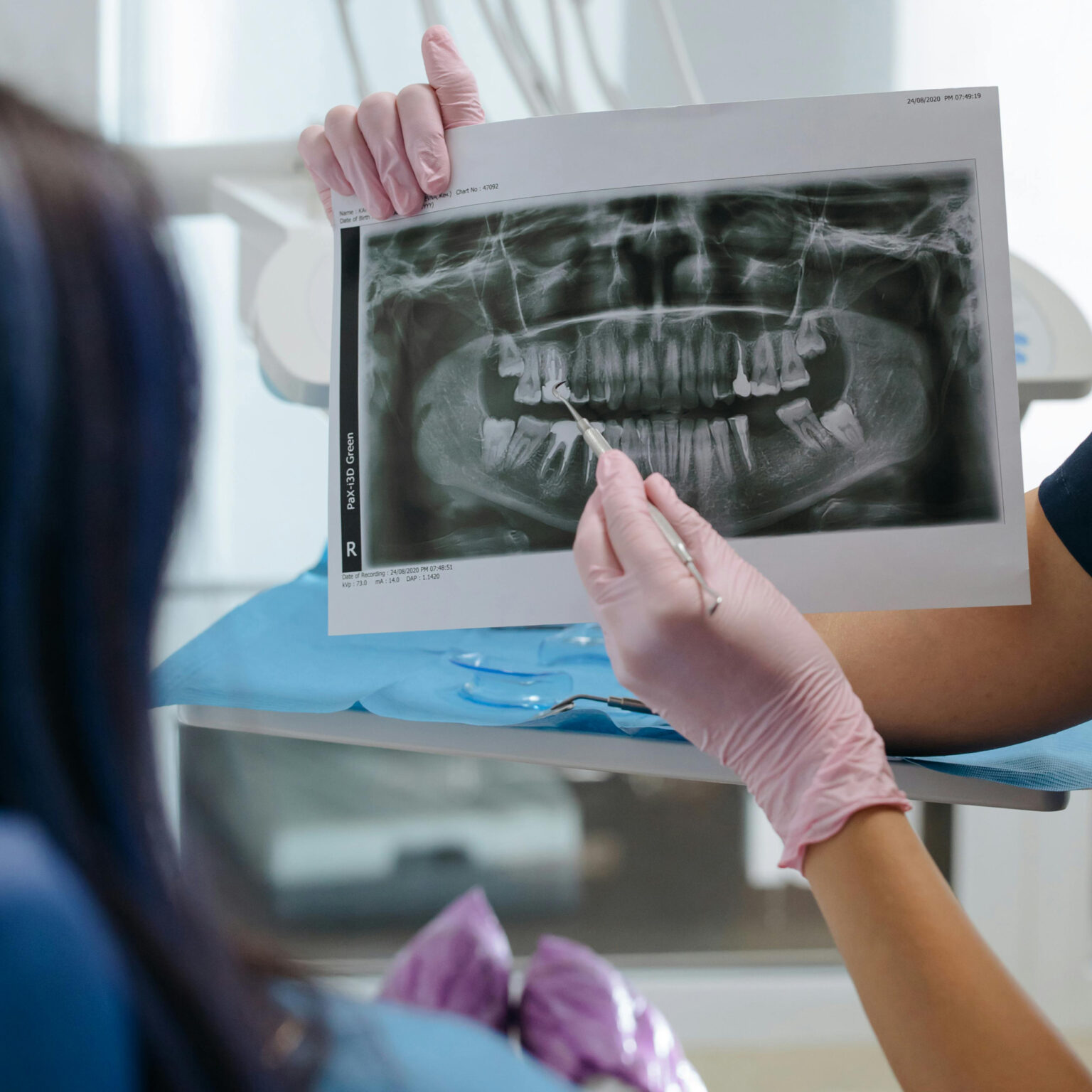
A good implant case begins with examination and imaging, not with promises. During the consultation, the dentist or specialist evaluates the missing tooth site, the gums, your bite, the teeth next to the space, and the amount of available bone. In most modern implant practices, three-dimensional imaging with a cone beam CT scan is used when appropriate. A regular dental X-ray shows useful information, but a CT scan reveals the width and height of the bone and the location of nearby structures like the sinus or nerve canal.
This is also where your health history comes into play. Diabetes, osteoporosis medications, autoimmune conditions, smoking, heavy alcohol use, and a history of periodontal disease can all affect healing and long-term success. None of these factors automatically rule out implants, but they may change the sequence of care or require closer maintenance afterward.
An experienced clinician also studies the final result before placing anything. That may sound backward, but it is one of the most important principles in implant dentistry. The implant must be placed where the future tooth needs to emerge, not merely where there happens to be bone. In the front of the mouth, even a small position error can produce a crown that looks too long, too bulky, or poorly aligned.
When an extraction and implant happen the same day
One of the most common questions patients ask is whether the tooth can be removed and the implant placed at the same appointment. Sometimes the answer is yes. Sometimes it is definitely no.
Immediate implant placement can be a very good option when the surrounding bone is intact, the infection is controlled or absent, and the site can provide strong initial stability for the implant. In the right case, it can shorten treatment time and help preserve gum contours. This is especially valuable in visible areas where tissue shape matters.
But same-day treatment is not automatically better. If the socket walls are damaged, the infection is significant, or the bone quality is poor, forcing an implant into that situation can raise the risk of failure or compromise the final appearance. There is a strong temptation in dentistry, just like in other fields, to market speed. The reality is that the best implant cases are not always the fastest ones.
The main stages of the procedure
Most implant cases follow a sequence like this:
- Evaluation and imaging, followed by treatment planning.
- Extraction, if needed, with possible bone grafting at the site.
- Implant placement after adequate healing, or at the same visit in selected cases.
- Healing time for the implant to integrate with bone.
- Placement of the abutment and final crown, then ongoing maintenance.
Even within these five stages, there is room for variation. Some patients need a sinus lift in the upper back jaw. Others need soft tissue grafting to improve gum thickness. Some receive a temporary tooth during healing, while others wear a retainer Dental Implants Calabasas CA with a replacement tooth or simply leave the space open for a period. The procedure is predictable when planned well, but it is not identical for every mouth.
Bone grafting: why it is sometimes part of the plan
Bone grafting worries patients because it sounds like an extra surgery, and technically it is. But in practice, it is often a straightforward way to rebuild support that has been lost. When a tooth is extracted, a grafting material may be placed into the socket to help preserve volume. In other cases, grafting is done later to widen or heighten an area that has already collapsed.
The reason is simple: implants need enough surrounding bone to remain stable and healthy under chewing forces. Think of it less as filling a hole and more as building the right foundation. A crown can only be as secure as the structure beneath it.
Healing after grafting varies. A smaller socket preservation graft might heal for a few months before implant placement. A larger ridge augmentation may require longer. This is one of those points where online estimates can become misleading. Two people can both say they had a bone graft, yet their treatment timelines may differ by several months because the anatomy and goals were completely different.
What happens on the day the implant is placed
For most single implants, the appointment is more manageable than patients expect. Local anesthetic is typically enough, though some offices offer oral sedation or IV sedation depending on the complexity of the case and the patient’s comfort level. Once the area is numb, the dentist makes a small opening in the gum or works through a guided approach, prepares the site in the bone with a sequence of instruments, and places the implant to the planned depth and angle.
The pressure sensations can feel strange, but sharp pain should not be part of the experience. Patients often tell me the anticipation was worse than the procedure itself. After placement, the implant may be covered under the gum for healing or left with a small healing cap visible above the tissue. Sutures may be placed. If the case supports it, a temporary tooth may be fabricated so you do not leave with a visible gap.
The appointment length varies. A simple single implant can often be placed within about an hour, sometimes less once anesthesia has taken effect. More complex cases with grafting, multiple implants, or sedation naturally take longer.
Healing and osseointegration
This is the quiet phase, and it is easy to underestimate how important it is. Once the implant is in place, the body begins forming a biological bond between bone and implant surface. That bond is what allows the implant to function like an anchored root rather than a loose substitute.
Healing time often falls in the range of a few months, but the exact timeline depends on bone density, whether grafting was involved, implant stability at placement, and the location in the mouth. The lower jaw often heals more predictably and sometimes faster than the upper back jaw, where bone can be softer. Someone with excellent bone and a straightforward case may move to the restorative phase sooner than someone whose implant was placed into a grafted site.
During this stage, the instructions matter. Patients are usually advised to avoid chewing directly on the area for a period, keep the site clean with gentle home care, and attend follow-up visits. If there is a temporary replacement tooth, it may need to be adjusted carefully so it does not load the healing implant too early. A beautiful temporary that overloads the site is not a success.
The crown phase: where function and aesthetics come together
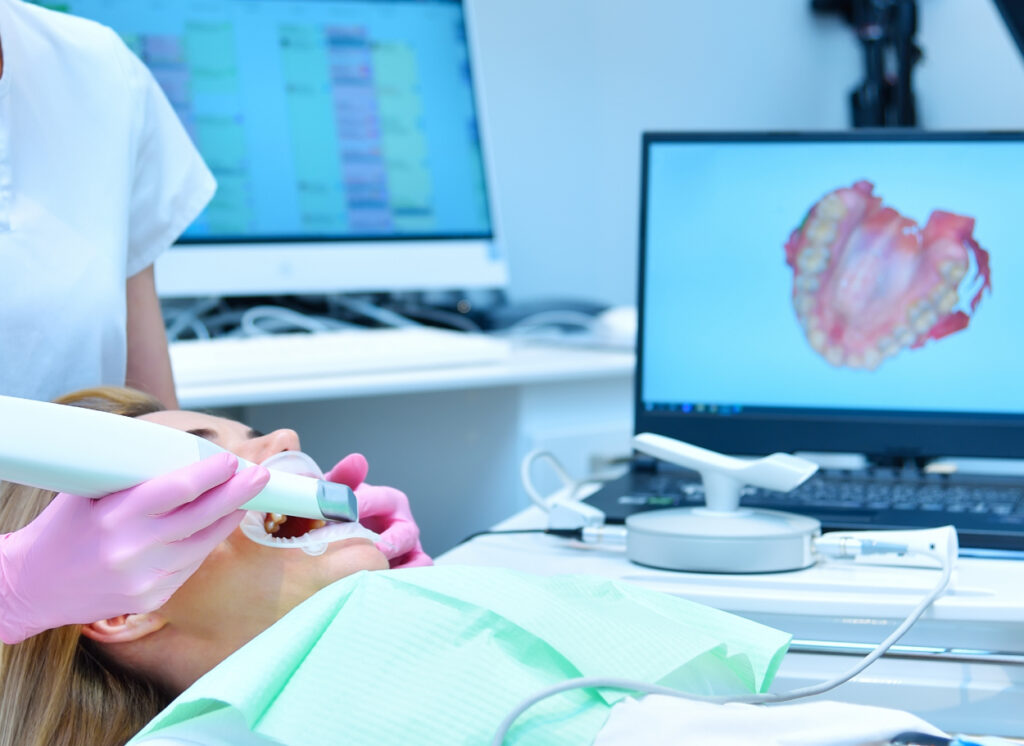
Once the implant is judged stable, the restorative phase begins. That may involve uncovering the implant if it healed under the gum, placing a healing abutment to shape the tissue, and later taking impressions or digital scans for the final crown. The lab then fabricates the restoration to match neighboring teeth in shape, shade, and contact points.
This part is more technical than many people realize. A well-made implant crown should fit tightly enough to avoid food traps, align properly with the bite, and allow the patient to clean around it without undue difficulty. Front teeth demand artistry. Back teeth demand strength and bite control. Every implant crown requires both.
One of the most common disappointments I see after poor implant treatment is not outright failure, but mediocrity. The implant survives, yet the crown feels awkward, traps food, or looks slightly off. That is why prosthetic planning matters as much as surgical placement. A successful implant is not just one that stays in the bone. It is one that works well every day and disappears into the smile.
How much discomfort to expect
Most patients report mild to moderate soreness rather than severe pain, especially for a single implant without major grafting. Swelling for a few days is common. Bruising can happen, particularly with more extensive procedures. Many people return to desk work within a day or two, though they may prefer a lighter schedule immediately after surgery.
Discomfort tends to rise with complexity. Multiple implants, sinus augmentation, or large grafts usually produce a more noticeable recovery than a simple posterior single-tooth implant. The upper and lower arches can also feel different during healing because the bone characteristics differ.
A practical way to think about it is this: for many patients, implant placement is easier than a difficult tooth extraction. That is not a guarantee, just a frequent experience. The extraction is often the more inflammatory event. When a tooth has been infected, fractured, or deeply decayed, removing it can create more soreness than placing the implant later into a healed site.
Risks, complications, and the judgment calls that matter
Implants have strong long-term success rates in properly selected patients, but they are not risk-free. Early failure can occur if the implant does not integrate with bone. Later problems can include infection around the implant, bone loss, screw loosening, porcelain fracture, or complications related to bite overload.
A few issues deserve special attention. Smoking increases the risk of impaired healing and implant complications. Uncontrolled gum disease is another major concern because the tissues around implants can break down much like the tissues around natural teeth. Heavy grinding and clenching place enormous forces on restorations, particularly in the molar region. In those cases, a night guard is not a minor accessory. It is often part of protecting the investment.
There are also anatomical limits. In the upper posterior jaw, the sinus may reduce available bone height. In the lower jaw, the nerve canal must be respected. This is where advanced imaging and careful planning are essential. Shortcuts in implant dentistry are expensive. If they fail, patients pay in time, money, comfort, and sometimes lost bone that is difficult to recover.
Who is usually a good candidate
Good implant candidates are not defined by age as much as by health, bone support, and commitment to maintenance. I have seen healthy older adults do extremely well with implants and younger adults struggle because of untreated gum disease or severe grinding.
A candidate is usually stronger when these conditions are present:
- Healthy gums or periodontal disease that has been treated and stabilized
- Enough bone for support, or a realistic plan for grafting
- Good home care habits and regular professional cleanings
- Medical conditions that are controlled
- A willingness to protect the implant long term, especially if clenching or smoking is involved
That last point is often underestimated. An implant does not get a cavity, but it can absolutely fail from neglect, inflammation, or overload. People sometimes imagine implants are maintenance-free because they are artificial. In practice, they require disciplined hygiene and follow-up care.
What patients in Calabasas often ask about cost and value
Cost comes up early, and understandably so. Implant treatment often involves several components: imaging, extraction, grafting, the implant itself, the abutment, and the final crown. Fees vary by office, complexity, materials, and whether multiple providers are involved, such as a surgeon for placement and a restorative dentist for the crown.
For patients comparing Dental Implants Calabasas CA options, the more useful question is not simply, “What is the price?” It is, “What is included, what is the treatment sequence, and what experience does the team have with cases like mine?” A low quote may leave out grafting, temporary replacement teeth, sedation, or the final restoration. A high quote is not automatically better either. Transparency matters more than marketing language.
The value of an implant is usually clearest when compared with the alternatives over time. A traditional bridge may cost less initially, but it often requires reshaping neighboring teeth. A removable partial can restore appearance and some function, but many patients dislike movement or bulk. An implant generally costs more up front, yet it can preserve adjacent teeth and bone more effectively when the case is suitable.
Daily life after the implant is complete
A well-integrated implant should feel stable when chewing. You should be able to brush and floss it, though the cleaning technique may be slightly different depending on the shape of the crown and the gum contour. Most people forget it is not their natural tooth after a while, which is exactly the point.
Maintenance is not complicated, but it is nonnegotiable. Plaque builds up on implant restorations just as it does on teeth. If the tissues become chronically inflamed, bone can begin to recede around the implant. Hygienists and dentists also need to monitor the bite because even a small change in force distribution can matter over years.
I often encourage patients to think of implants as high-performance restorations. They are durable, but they perform best when cleaned consistently, checked regularly, and protected from avoidable stress. That mindset leads to better outcomes than treating the implant as permanent hardware that no longer needs attention.
Questions worth asking before you commit
A consultation is not just for hearing a recommendation. It is your chance to understand the reasoning behind the plan. Ask what type of imaging will be used, whether grafting is likely, how long the case may take from start to finish, who will fabricate the final crown, and what temporary tooth options exist during healing. If aesthetics matter, especially for a front tooth, ask to see before-and-after examples of similar cases.
It is also reasonable to ask what could complicate your specific treatment. A thoughtful clinician should be able to explain the best-case path and the likely variables without resorting to either fear or sales pressure. The right treatment plan is not the one that sounds easiest in the room. It is the one that still makes sense after healing, function, and long-term maintenance are considered.
For anyone exploring Dental Implants Calabasas CA, that balance of surgical precision, restorative planning, and honest case selection is what separates routine care from excellent care. The procedure works because biology, engineering, and craftsmanship come together. When each stage is handled carefully, an implant can restore far more than a missing tooth. It can restore ease, confidence, and the simple comfort of not thinking about your smile every time you eat or speak.
Oaks Dental
5000 Parkway Calabasas, Suite 308
Calabasas, CA 91302, United States
Phone: +1 (818) 412-8349
FAQ About Dental Implants Calabasas CA
How much does a dental implant cost in California?
Costs vary with the number of teeth replaced, restoration type, imaging, and any extractions or bone grafting. Request an itemized estimate after an examination; a single advertised price may not include every treatment stage.
Can people with autoimmune disease get dental implants?
Some people may qualify, but the condition, medications, oral health, and healing risks require individual assessment. Share your medical history with your dentist, who may coordinate with your treating physician.
Can you have dental implants if you have osteopenia?
Osteopenia does not by itself establish whether implants are suitable. Your dentist must evaluate jawbone support and review bone-related medications and other risks before recommending treatment.