Dental Implants Calabasas CA: A Smart Choice for Lasting Results
Losing a tooth changes more than a smile. It affects the way food feels, how clearly certain words come out, and how comfortable a person is laughing in a room full of people. Over time, even one missing tooth can start a chain reaction inside the mouth. Neighboring teeth drift. Biting pressure shifts. The jawbone in that area begins to shrink because it no longer has a tooth root stimulating it.
That is why so many patients looking into Dental Implants Calabasas CA are not simply chasing cosmetics. They are trying to restore function, stability, and normalcy. A well-planned implant does all three. It replaces the visible part of the tooth, but just as importantly, it also replaces the root beneath the gumline. That distinction matters. It is what makes implants feel more secure than many other tooth replacement options, and it is why they tend to hold up so well over the long run.
People often arrive at the consultation with mixed expectations. Some think implants are only for older adults. Others assume the process is prohibitively painful or impossibly expensive. A few believe a bridge or denture is always the simpler choice. Real life is more nuanced. Dental implants are not the right fit for every single patient, but when they are appropriate, they are one of the most durable and biologically sound treatments modern dentistry offers.
Why implants tend to outlast other options
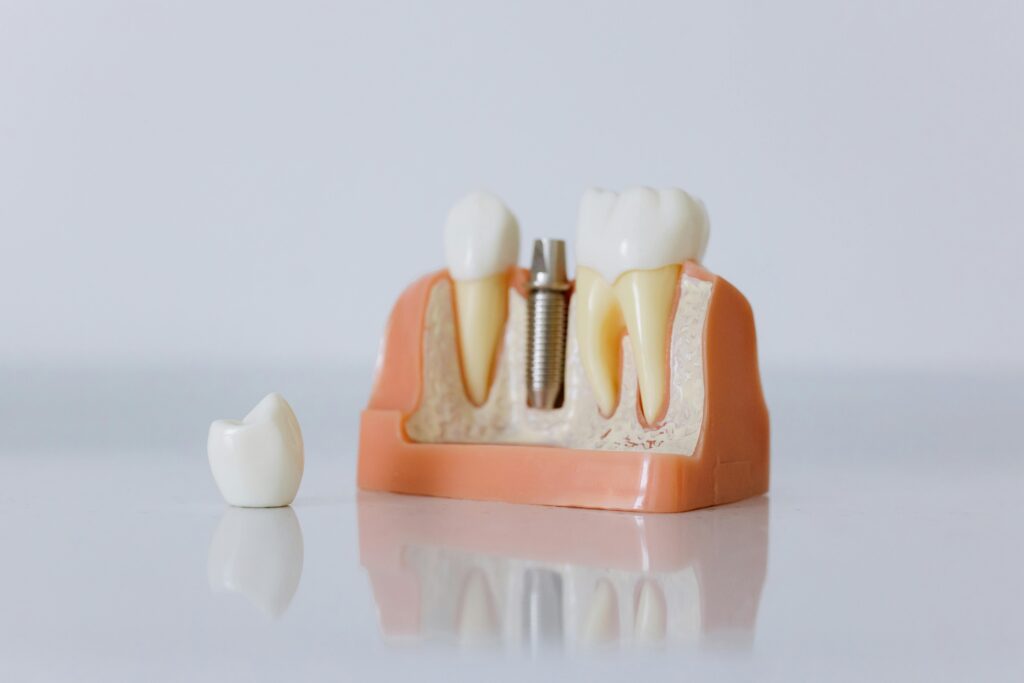
A dental implant is usually made of titanium or a similarly biocompatible material. It is placed into the jawbone where a natural root once sat. Over a healing period, the bone fuses to the implant in a process called osseointegration. Once that bond is stable, the dentist attaches an abutment and a crown, creating a tooth replacement that stands independently.
That independence is a major advantage. A traditional bridge often relies on adjacent teeth for support, which means those healthy teeth may need to be reshaped. A removable denture can restore appearance and some function, but it usually does not deliver the same bite strength or day-to-day confidence. Implants, by contrast, do not depend on neighboring teeth, and they help preserve the bone in a way removable options cannot.
The practical effect is easy to understand in the exam room. Patients with a strong implant-supported crown often forget which tooth was replaced. They chew more naturally. They are less likely to avoid foods like apples, grilled vegetables, or crusty bread. They also tend to feel more relaxed socially because they are not worried about shifting prosthetics or visible gaps.
Durability is another reason implants stand out. No dental treatment lasts forever without proper care, but a well-placed implant in a healthy patient can last many years, often far longer than alternatives that need more frequent repair or replacement. The crown on top may eventually need maintenance, just like a natural tooth can need a filling or a crown, but the implant itself is designed for longevity.
The local advantage in Calabasas
Calabasas patients often have high expectations, and rightly so. They want treatment that is thoughtful, precise, and aesthetically refined. In an area where personal presentation matters and busy schedules are the norm, convenience and quality tend to carry equal weight. People do not want to spend months patching over a problem with a temporary fix if a more lasting solution is available.
That local context matters because implant care is both medical and artistic. The implant must be placed at the correct angle and depth, but the final tooth also has to look believable under natural light. The shape of the gumline, the emergence profile of the crown, and the color match with surrounding teeth all influence whether the restoration disappears naturally into the smile or draws unwanted attention.
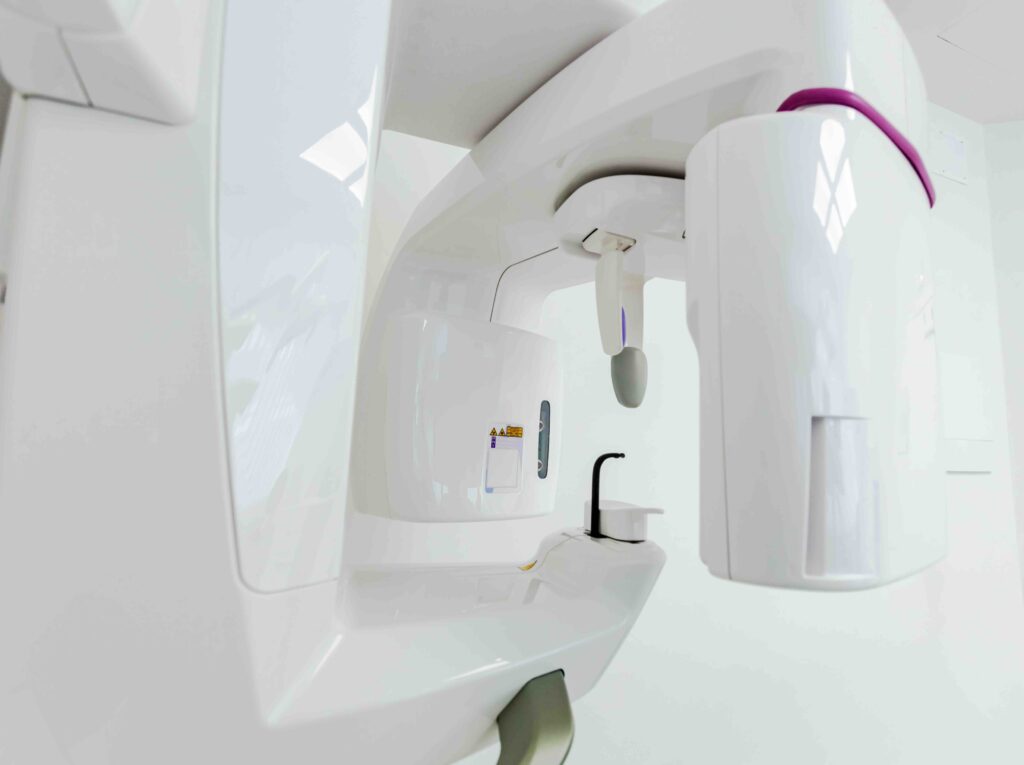
In practices serving Calabasas and nearby communities, digital imaging and guided planning are often part of the process. These tools help the dental team assess bone levels, identify sinus or nerve anatomy, and map the ideal placement before treatment begins. Technology does not replace judgment, but it can sharpen it. That matters in straightforward single-tooth cases and even more in complex situations involving multiple missing teeth, bone grafting, or front teeth where aesthetics are unforgiving.
What patients usually notice first
Most people considering Dental Implants Calabasas CA are dealing Dental Implants Calabasas CA with one of a few common scenarios. Some lost a tooth years ago and are tired of the gap. Others have a failing crown, a cracked tooth below the gumline, or a bridge that has reached the end of its useful life. There are also denture wearers who are frustrated by movement, sore spots, or reduced chewing power.
The first thing they usually notice after successful treatment is stability. There is no rocking. No adhesive. No awkward awareness that the replacement tooth is separate from the body. Once the healing phase is complete and the final restoration is seated, an implant often feels closer to a natural tooth than patients expected.
The second change is confidence. This sounds cosmetic, but it is broader than appearance. It means biting into a sandwich in public without planning around the weak side of the mouth. It means speaking without feeling air pass oddly through a gap. It means smiling in photos without editing posture or expression.
Then there is the less visible benefit, preservation. Bone loss after tooth loss is gradual, but it is real. The body responds to reduced function by resorbing bone that no longer seems necessary. That can flatten the ridge over time and make later restoration harder. An implant helps interrupt that process by returning functional stimulation to the jaw.
Not every patient is identical, and that is the point
A careful implant recommendation is never one-size-fits-all. The right plan depends on bone volume, gum health, medical history, bite forces, smoking habits, and how long the tooth has been missing. It also depends on patient priorities. One person cares most about minimizing treatment time. Another wants the highest possible aesthetic result for a front tooth. Someone else is focused on stabilizing a lower denture that has become increasingly hard to wear.
A few factors tend to matter more than patients expect:
- Healthy gums are essential. Untreated periodontal disease can undermine even a perfectly placed implant.
- Bone quantity and quality affect whether the implant can be placed immediately or whether grafting is needed first.
- Medical conditions such as uncontrolled diabetes, heavy smoking, or certain medications may increase risk and call for tighter planning.
- Nighttime grinding can overload teeth and restorations, which may make a protective night guard part of the long-term plan.
- Patience during healing often pays off with a better final result than rushing to the finish line.
This is where experience shows. A rushed evaluation can miss habits or health factors that change the timeline. A measured approach, even if it involves additional steps, usually creates a stronger foundation.
What the treatment process really looks like
Patients often imagine implant treatment as one dramatic appointment. In reality, it is a staged process, and that is a good thing. Each phase has a purpose.
It starts with diagnostics. That includes an exam, imaging, and a close look at the gum tissue, bite, and available bone. If the tooth is already missing, the team evaluates the site directly. If the tooth is still present but cannot be saved, the dentist assesses whether extraction and implant planning can be coordinated.
Sometimes an implant can be placed the same day a tooth is removed. Sometimes it should not. Immediate placement can be excellent in the right case, especially when the infection risk is low and the bone walls are intact. In other situations, allowing the site to heal or rebuilding lost bone first leads to a more predictable result. Patients are often relieved to hear that delaying placement is not a setback. It is often a sign that the clinician is protecting the final outcome.
The surgical appointment itself is usually easier than people fear. With local anesthesia, and sometimes sedation depending on the patient and the complexity, most report more pressure than pain during the procedure. Soreness after surgery is commonly described as manageable, especially for a single implant. The stories that travel fastest are usually the worst ones, not the most typical ones.
Healing then begins. Bone needs time to integrate with the implant surface. That period can vary based on the site, the patient’s biology, and whether grafting was performed. During this phase, some patients wear a temporary tooth, particularly for visible areas. Others simply leave the area undisturbed if it is farther back in the mouth.
Once integration is confirmed, the restorative phase starts. Impressions or digital scans capture the exact position of the implant, and the final crown is designed to fit the bite and the smile. This is where aesthetics and function meet. Even a strong implant can feel wrong if the crown is too bulky, too short, or poorly contoured at the gumline.
Aesthetics matter more than many people realize
Back teeth carry the chewing load, but front teeth carry the emotional weight. Replacing a front tooth successfully requires attention to tiny details that patients notice instantly, even if they cannot describe them. Gum height symmetry, the angle of the incisal edge, and the way light reflects from the crown surface all affect whether the tooth looks real.
This is one reason the best implant work often appears unremarkable. Nobody notices it because it blends in. That subtlety is the result of planning, communication between the surgical and restorative teams, and often a few rounds of refinement in temporaries before the final crown is made.
There is a common misconception that white equals beautiful in dentistry. In practice, the most believable crowns often have variation, translucency, and shape that mimic natural enamel rather than trying to outshine it. Patients who bring in a photo of a celebrity smile sometimes change course when they see how artificial an overly bright single front crown can look next to real teeth.
The cost question, honestly addressed
Implants are an investment. There is no useful way to pretend otherwise. A single implant case usually includes several components, diagnostics, possible extraction or grafting, the implant itself, the abutment, and the crown. Fees vary based on complexity, materials, and whether specialists are involved.
What matters is how the cost is framed. The cheapest option upfront is not always the least expensive over time. Bridges can be an excellent treatment in the right scenario, but if they require preparing neighboring teeth Dental Implants Calabasas CA that later need additional work, the long-term equation changes. Dentures may cost less initially, yet many wearers end up paying for relines, remakes, adhesive products, and compromises in diet or comfort that are hard to put a price on.
A fair conversation about cost includes maintenance too. Implants are not maintenance-free. They need routine hygiene visits, home care, and periodic evaluation. Patients should know that from the beginning. Still, when treatment is planned well and cared for consistently, the long-range value is often compelling.
When bone grafting enters the picture
Bone grafting makes some patients nervous because it sounds like an added complication. Often, it is simply part of building the site correctly. If a tooth has been missing for a while, the ridge may no longer be wide or tall enough to support a stable implant. A graft can rebuild volume so the implant has a healthier housing.
This is common in the upper jaw, especially near the sinus area, and in sites where infection or trauma damaged the bone before the tooth was removed. Not every case needs grafting, and the amount can range from minor socket preservation to more involved reconstruction. The key is that grafting is usually done to improve predictability, not to upsell treatment.
In daily practice, some of the strongest long-term implant results come from cases where the clinician was willing to slow down, preserve the socket at extraction, and return later for ideal placement rather than forcing an implant into a compromised site.
Recovery tends to be manageable with the right expectations
Patients often want to know how much work they will miss. The answer depends on the procedure, the location, and the person’s own recovery pattern. A straightforward single implant often allows people to return to desk work the next day, sometimes the same day if the appointment was early and no sedation was used. More extensive grafting or multiple implants can warrant extra downtime.
Swelling is usually mild to moderate and worst in the first couple of days. Soft foods, good hydration, and following post-operative instructions make a noticeable difference. It is also important not to test the site. People do this constantly, usually without realizing it, by poking with a tongue, chewing on the healing side, or pulling the lip to check progress in the mirror.
The patients who heal best are not necessarily the toughest. They are the ones who follow directions carefully, keep follow-up appointments, and let biology do its work.
Caring for an implant is simple, but not optional
An implant cannot decay, but the tissues around it can become inflamed. Plaque accumulation can lead to peri-implant mucositis and, if neglected, more serious bone loss around the implant. In other words, replacing a tooth does not eliminate the need for discipline.
Daily care usually includes thorough brushing, flossing or using implant-friendly cleaning tools, and regular professional cleanings. Technique matters. So does consistency. Patients who were casual about home care before treatment should be told plainly that implants reward good habits and punish neglect.
One of the most useful moments in implant maintenance happens when the hygienist shows a patient exactly where debris tends to hide. The contour near the gumline may feel different from a natural tooth, and a small adjustment in flossing angle or brush placement can make a substantial difference.
Questions worth asking before you commit
A strong consultation should leave a patient better informed, not pressured. If someone is comparing options for Dental Implants Calabasas CA, these are sensible points to raise with the treating dentist:
- Am I a candidate for immediate placement, or would a staged approach be safer in my case?
- Will I need a bone graft or sinus lift, and if so, why?
- Who is handling the surgical phase and who is designing the final restoration?
- What should I expect for healing time, temporary tooth options, and follow-up visits?
- How will my bite, grinding habits, or gum health affect the long-term result?
Good clinicians generally welcome these questions. Clear answers reflect planning.
Why implants often feel like the smartest long-term decision
What makes implants such a smart choice is not hype. It is the way they solve several problems at once. They restore chewing efficiency. They support facial structure by helping preserve bone. They leave neighboring teeth untouched in many cases. They can look remarkably natural when executed well. And for many patients, they remove a quiet daily burden that had been shaping food choices, confidence, and comfort for years.
There are trade-offs. Treatment takes time. Some cases require grafting. The upfront fee can be substantial. Healing asks for patience. Yet those trade-offs often make sense when weighed against the stability and lifespan of the result.
For a patient in Calabasas who wants more than a short-term patch, implants deserve serious consideration. Not because they are trendy, and not because they fit every mouth, but because when the diagnosis is sound and the execution is careful, they offer something dentistry values highly: a result that works hard, looks natural, and keeps doing its job long after the appointment is over.
Oaks Dental
5000 Parkway Calabasas, Suite 308
Calabasas, CA 91302, United States
Phone: +1 (818) 412-8349
FAQ About Dental Implants Calabasas CA
How much does a dental implant cost in California?
Costs vary with the number of teeth replaced, restoration type, imaging, and any extractions or bone grafting. Request an itemized estimate after an examination; a single advertised price may not include every treatment stage.
Can people with autoimmune disease get dental implants?
Some people may qualify, but the condition, medications, oral health, and healing risks require individual assessment. Share your medical history with your dentist, who may coordinate with your treating physician.
Can you have dental implants if you have osteopenia?
Osteopenia does not by itself establish whether implants are suitable. Your dentist must evaluate jawbone support and review bone-related medications and other risks before recommending treatment.