Dental Implants and Long-Term Smile Stability

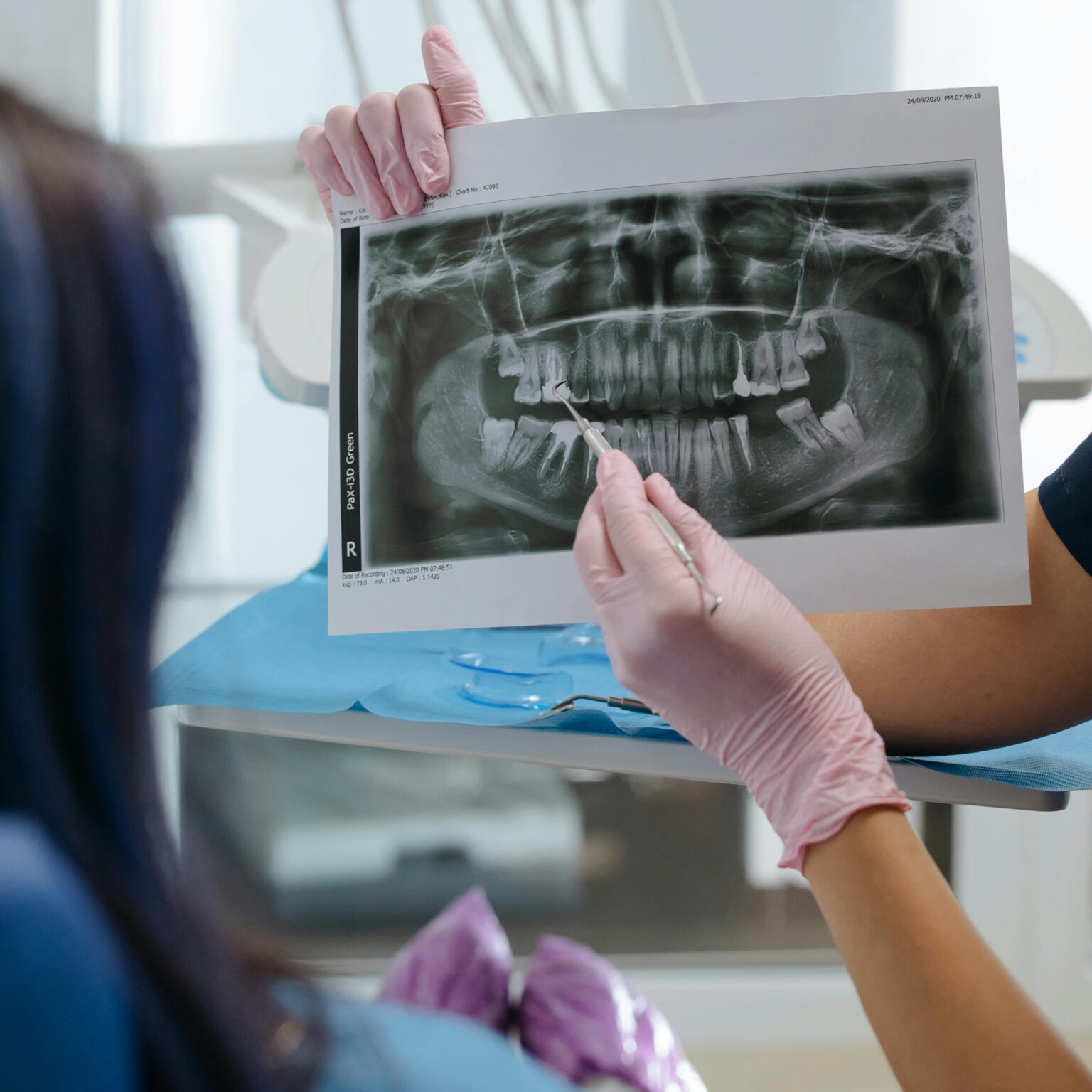
A stable smile is not only about how teeth look in a photograph. It is about whether the bite feels balanced at breakfast, whether speech stays crisp in a meeting, whether cheeks and lips keep their support over the years, and whether the jaw can handle normal chewing without a slow slide into discomfort or dysfunction. When people ask about Dental Implants, they often focus on the visible result. The deeper value is structural. A well-planned implant restoration can help preserve function, maintain spacing, and support the kind of long-term stability that is difficult to achieve when a missing tooth is simply ignored.
That does not mean implants are automatically the right answer in every case, or that they are maintenance-free once placed. The strongest results come from careful diagnosis, realistic expectations, healthy habits, and a restoration designed with the rest of the mouth in mind. The phrase "long-term smile stability" sounds simple, but in practice it includes bone levels, gum health, bite forces, tooth position, muscle habits, and daily hygiene. Implants can be excellent allies in that picture, provided they are treated as part of an overall system rather than a stand-alone fix.
Why a missing tooth changes more than appearance
A single lost tooth can set off quiet changes that take months or years to become obvious. The neighboring teeth may begin to lean. The opposing tooth can drift because it no longer has a partner to bite against. Food packing may increase in the gap, making the area harder to clean. In some patients, the bite adapts without much trouble. In others, the changes become noticeable quickly, especially if there is already crowding, gum recession, or a history of grinding.
The underlying bone is another piece of the story. Natural tooth roots transmit chewing forces into the jawbone. When a tooth is removed, that stimulation drops sharply. Over time, the ridge can narrow and flatten. This does not happen at exactly the same rate for everyone, but it is common enough that implant timing matters. In the first year after an extraction, the most visible shrinkage usually occurs. That is one reason clinicians often discuss socket preservation or early implant placement when circumstances allow.
From a smile stability standpoint, the key idea is this: missing teeth rarely remain neutral. The mouth tends to adapt, and adaptation is not always favorable. Dental Implants can interrupt that sequence by replacing the root as well as the crown, helping maintain space and preserve the supporting architecture more effectively than options that sit only on top of the gums.
What Dental Implants actually stabilize
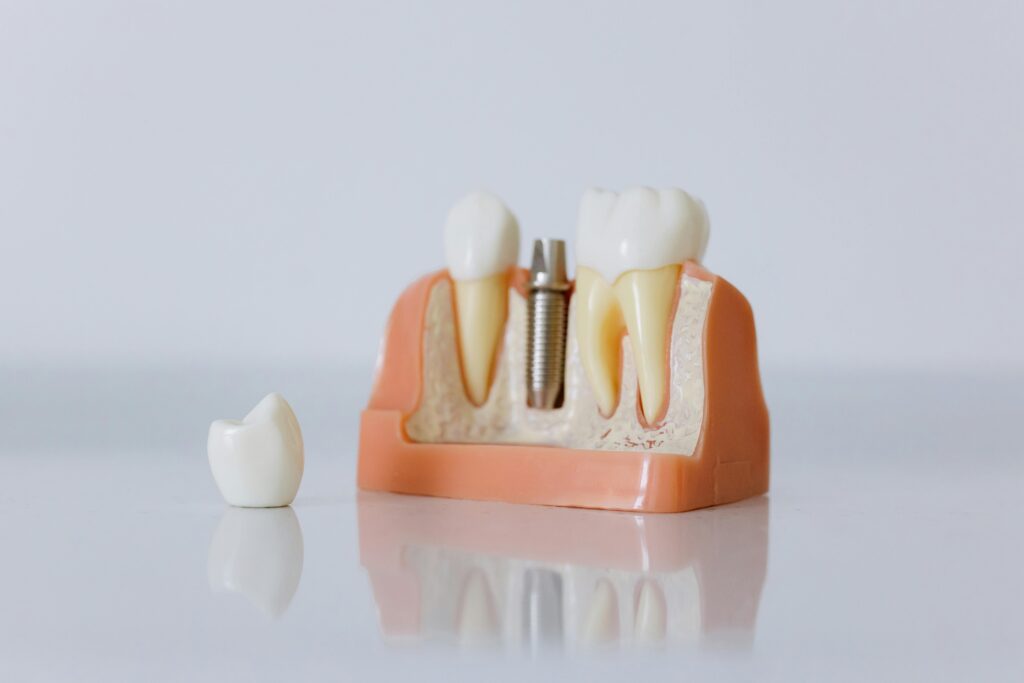
People often hear that implants "replace a tooth," which is true but incomplete. A dental implant acts as an anchor within the bone, usually made of titanium or a titanium alloy, though some ceramic options exist in select situations. Once integrated, it can support a crown, bridge, or denture component. The practical effect is broader than replacement alone.
An implant can stabilize chewing efficiency because it gives the restoration a fixed base. It can stabilize tooth position because it occupies the missing space rather than leaving neighbors free to drift. It can stabilize facial support indirectly by preserving bone and keeping the dentition complete. It can also stabilize treatment planning in larger rehabilitation cases, where a predictable anchor point is valuable.
There is a difference, however, between stability and rigidity. Natural teeth have a periodontal ligament, a remarkable structure that allows slight movement and sensory feedback. Implants do not have that ligament. They feel different mechanically, even when patients adapt so well that they stop noticing. This distinction matters in bite design. A restoration that is too high, too broad, or poorly aligned with the chewing pattern can overload the implant or its surrounding bone. Long-term success is not just about placing the fixture. It depends on how the final tooth meets the rest of the mouth.
The role of bone, gums, and timing
If I had to name the most overlooked factor in long-term implant success, it would be tissue management. People naturally focus on the visible crown, but the health and shape of the bone and gums determine whether the result remains attractive and functional after five, ten, or fifteen years.
Bone volume matters because an implant needs enough width and height to be placed in a stable, prosthetically sensible position. A surgeon can often graft bone when the ridge has thinned, and modern grafting techniques have expanded what is possible. Still, grafting is not a magic eraser. The more favorable the starting anatomy, the more straightforward the path tends to be.
Gum quality matters just as much. Thick, healthy soft tissue is generally more forgiving than thin tissue prone to recession. In the front of the mouth, where even slight asymmetry can show, this becomes especially important. A patient may technically be an implant candidate but still need a staged approach, with extraction, grafting, healing, and later placement, simply to produce a stable gum frame around the final crown.
Timing is a clinical judgment call. Immediate placement, where the implant is placed at or near the time of extraction, can work beautifully in the right situation. It can also disappoint if infection, thin bone walls, gum recession risk, or bite forces are not respected. Delayed placement allows more healing and often more control, but it may come with additional ridge shrinkage if preservation steps were not taken. There is no one schedule that fits every patient. The right timing is the one that protects biology and supports the final prosthetic outcome.
Smile stability depends on the bite, not just the implant
One of the most common misconceptions is that an implant succeeds if it simply stays in the bone. From a narrow surgical perspective, retention matters. From a patient perspective, that is only part of success. A smile can be technically restored and still feel unstable if the bite is off, if chewing shifts to one side, or if the front teeth begin to chip because the back teeth no longer share force properly.
Consider a patient who lost a lower first molar years ago and adapted by chewing mostly on the other side. The gap seemed manageable until the opposing upper molar drifted down, the neighboring teeth tipped inward, and the bite began to feel uneven. Placing a single implant in that space may still be possible, but the restoration now has to fit into a bite that has changed. Sometimes minor orthodontic movement is needed before the implant crown can be shaped correctly. Without that step, the new tooth may look acceptable yet function poorly.
The same principle applies to patients with clenching or grinding habits. Implants Dental Implants tolerate normal forces well, but they do not cushion load the way natural teeth do. If a patient bites hard at night, a protective night guard is often part of the long-term plan. That is not an optional accessory invented to sell one more appliance. In many cases, it is basic risk management.
When implants strengthen the whole dental system
The greatest benefit of Dental Implants often appears in the way they support the larger system of the mouth. Replacing one strategically important missing tooth can reduce strain on neighboring teeth that would otherwise be asked to carry too much load. In patients missing several back teeth, implants can restore posterior support, which helps protect the front teeth from becoming de facto chewing teeth. Front teeth are designed to cut and guide, not absorb endless grinding pressure.
This comes up often in adults who have "managed fine" for years after extractions. They may not be in acute pain, but signs of compensation show up elsewhere: worn edges, cracked fillings, gum recession around overloaded teeth, or chronic tenderness in the chewing muscles. Once support is restored in the back, the entire bite can function more efficiently. Patients frequently describe the change in practical terms. Food feels easier to chew. Jaw fatigue drops. They stop breaking the same front filling every year or two.
There is also a stabilizing effect in partial denture cases. oaksdentistry.com Dental Implants Some removable partials work well, especially when well-designed and carefully maintained. But they can transfer force to remaining teeth in ways that are not always ideal. Strategic implants can improve support and reduce movement, which may preserve natural teeth longer. The exact design depends on anatomy and budget, but the principle is sound: a stable foundation protects what remains.
Where implants are not the best choice
A balanced discussion has to acknowledge that implants are not universally appropriate. Sometimes the issue is medical. Poorly controlled diabetes, heavy smoking, active periodontal disease, and certain medications or cancer therapies can raise risk or delay treatment. Sometimes the issue is local, such as severe bone loss, unresolved infection, or a bite pattern that would overload the implant unless other corrections are made first.
There are also cases where a traditional bridge or a removable option makes more sense. If the adjacent teeth already need crowns, a bridge may be a reasonable solution. If a patient is not ready for surgery, a removable prosthesis can serve as a useful interim approach. Cost matters too. Implant treatment can be highly cost-effective over the long run, especially if it helps preserve surrounding teeth and bone, but the upfront investment is real. Pretending otherwise does not help patients make clear decisions.
The best treatment plans are honest about trade-offs. An implant may preserve adjacent teeth better than a bridge, but it involves surgery and healing time. A bridge may deliver faster results in the right case, but it relies on neighboring teeth for support. A removable option may cost less initially, but it may provide less comfort and less long-term stability. The right choice is the one that fits the clinical picture and the patient’s priorities.
Single tooth replacement versus full-arch stability
The word "implant" covers very different realities. A single implant crown in the premolar area is one thing. A full-arch restoration supported by four or more implants is another entirely. Both can be excellent, but their maintenance demands, design constraints, and failure patterns differ.
With a single implant, the challenge is often integration with natural teeth and gums. Shade, contour, contact points, and bite harmony all matter. In the aesthetic zone, tiny discrepancies are noticeable. In the posterior, function rules, but cleaning access still matters. A crown with poor contours may trap plaque and inflame the gums, even if the implant itself is well placed.
Full-arch work shifts the conversation toward distribution of force, prosthetic design, speech, hygiene access, and the patient’s ability to maintain the restoration. A fixed full-arch bridge can dramatically improve confidence and chewing, but it is not "teeth you never have to think about again." It needs professional maintenance, home cleaning discipline, and periodic evaluation of screws, materials, and tissue health. The long-term stability of these cases depends as much on aftercare as on the surgery.
The planning phase that patients rarely see
Some of the most important work in implant dentistry happens before any surgery begins. Good planning includes a full periodontal evaluation, radiographs or 3D imaging when indicated, bite analysis, assessment of space, and a clear picture of the final restoration. This is often called working backward from the prosthetic result, and it is one of the clearest markers of mature treatment planning.
A poorly placed implant can remain integrated and still be a restorative headache for years. If it is too far facial, the gum line may recede. If it is too close to another tooth or implant, cleaning and papilla support become difficult. If the angle is wrong, the crown may need awkward contours that compromise hygiene or aesthetics. Fixing those errors later is possible in some cases, but it is expensive, time-consuming, and emotionally exhausting for the patient.
The clinics that produce durable outcomes tend to be the ones that respect this planning stage. They do not rush to place hardware before understanding the final bite, gum architecture, and restorative demands. That patience is not hesitation. It is discipline.
Maintenance is where long-term success is won
After healing, patients sometimes assume the hard part is over. In reality, the long game begins there. Implants can last many years, even decades, but they need maintenance just as natural teeth do. The surrounding tissues can become inflamed if plaque accumulates. If that inflammation progresses and bone is lost, the condition may resemble advanced peri-implant disease, which is much harder to manage than early irritation.
Daily cleaning around implants has to be thorough and technique-sensitive. The exact tools depend on the design of the restoration, the size of the spaces, and the patient’s dexterity, but the goal is consistent: disrupt plaque every day without traumatizing the tissues. Professional maintenance visits are not a formality. They are how subtle problems are caught early, before bone loss or restorative complications become costly.
The habits that most often protect implant longevity are straightforward:
- Brush thoroughly twice daily, with special attention to the gumline around the implant crown.
- Clean between teeth and around the implant using floss, interdental brushes, or other tools recommended for the specific restoration.
- Keep regular maintenance visits so tissue inflammation, bite changes, or loose components are detected early.
- Wear a night guard if clenching or grinding is part of the picture.
- Avoid smoking, or reduce it as much as possible, because tobacco use raises the risk of healing and maintenance problems.
None of this is glamorous, but it is where durable results come from. The patient who returns year after year with healthy tissues and a stable bite is rarely the one chasing shortcuts. It is usually the one who treats the implant as a long-term investment and maintains it accordingly.
How peri-implant problems start, and why early signs matter
Peri-implant disease tends to begin quietly. Gums may bleed a little during brushing. There may be slight puffiness, tenderness, or a persistent bad taste. The crown itself may feel fine, so patients delay mentioning it. That delay can be costly. Around a natural tooth, mild inflammation is a warning. Around an implant, persistent inflammation can be more consequential because the tissue attachment differs and bone loss may progress with less obvious early discomfort.
This does not mean every bit of bleeding signals major trouble. Sometimes the problem is simply missed plaque under a contact area or a flossing technique that never quite reaches the vulnerable spot. Sometimes the crown contour traps debris, and a small reshaping or hygiene instruction solves the issue. But because complications can escalate, it is wise to have any changes assessed sooner rather than later.
There are also mechanical complications to watch for. A screw-retained crown can loosen. Porcelain can chip. A bite that was balanced years ago can shift if natural teeth wear or move. Long-term smile stability is dynamic. The mouth changes with age, habits, and restorations. Implant care has to adapt with it.
A realistic view of lifespan
Patients often ask how long implants last, hoping for a simple number. The honest answer is that lifespan depends on biology, planning, maintenance, and luck to a small degree, as with any treatment. Many implants function successfully for well over ten years, and a substantial number remain in service much longer. Still, no ethical clinician should present them as permanent in the absolute sense.
It helps to separate implant survival from restoration survival. The implant itself may remain stable while the crown needs replacement after wear, chipping, or aesthetic changes. That is not necessarily failure. It is the normal life cycle of a restoration. What matters is whether the supporting tissues remain healthy and whether any intervention can be done predictably.
Patients usually appreciate candor here. A realistic promise is more valuable than a dramatic one. Dental Implants offer one of the strongest tools available for replacing missing teeth and preserving smile stability, but they reward good candidates, careful planning, and sustained maintenance.
Questions worth asking before treatment
A strong consultation does more than confirm whether an implant can be placed. It should clarify how the treatment supports long-term stability in that particular mouth. Patients benefit from asking pointed, practical questions:
- How will this implant affect my bite and the teeth around it over time?
- Is there enough bone and gum tissue now, or is grafting likely to improve the long-term result?
- What risks do my habits, such as smoking or grinding, add to the treatment?
- What kind of maintenance will this restoration require at home and in the office?
- If an implant is not ideal for me, what are the most reasonable alternatives and their trade-offs?
These questions tend to move the discussion beyond sales language and into treatment judgment. That is where good decisions are made.
The connection between stability and confidence
Smile stability is often discussed in technical terms, but its effects are personal. A patient with a secure, comfortable bite tends to chew without hesitation, speak more naturally, and stop thinking about the missing space that used to dominate attention. That confidence is not vanity. It is the relief of having a mouth that feels reliable again.
The most satisfying implant cases are not always the dramatic full-mouth transformations seen in before-and-after galleries. Often they are the quieter ones: the teacher who can eat lunch without worrying about a removable tooth shifting, the older adult who regains balanced chewing after years of one-sided function, the patient who stops fracturing front teeth once posterior support is restored. These are small victories on paper, but they add up to daily comfort and durability.
Dental Implants deserve their strong reputation because they can do something few alternatives do as effectively: replace the root, support the restoration, and help preserve the architecture that keeps a smile stable over time. When they are chosen carefully, placed thoughtfully, and maintained seriously, they become more than replacement teeth. They become part of a long-term strategy for keeping the mouth functional, balanced, and dependable.
Oaks Dental
5000 Parkway Calabasas Suite 308
Calabasas, CA 91302, United States
+1 818-431-2000
FAQ About Dental Implants
What is the downside of a dental implant?
Implants require surgery and a healing period that can last several months. Possible complications include infection, nerve or sinus injury, damage to nearby teeth and failure to bond with bone. Your dentist should assess your health, bone support and alternatives before recommending treatment.
What do dental implants typically cost?
There is no single price for every implant case. The number of teeth replaced, implant components, final restoration and any grafting or extractions affect the total. Request a written estimate covering every stage and confirm insurance benefits and out-of-pocket costs with the practice.
How long do tooth implants last?
An implant can provide long-term support and may last a lifetime with good oral hygiene and regular dental care, but this is not guaranteed. The crown or other restoration may need replacement sooner. Smoking, gum disease and some health conditions can reduce implant success.